The Unheard Room: A Practical Audio Etiquette Guide for Hotels and Private Apartments in 2026
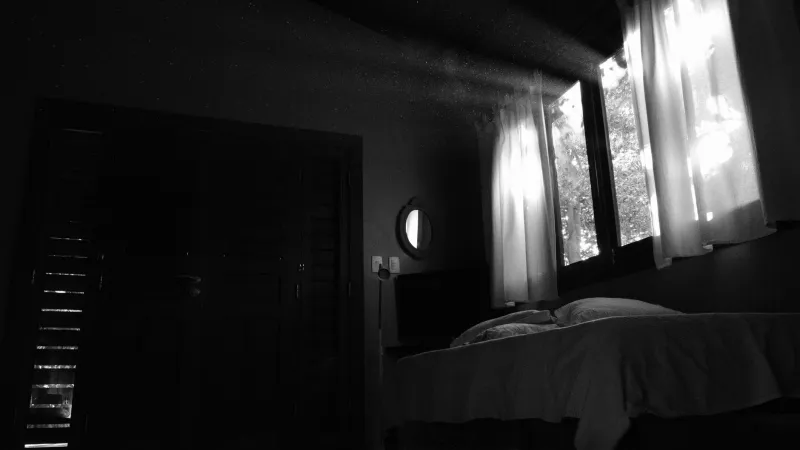
Discretion in adult nightlife is usually discussed in visual terms: appearances, entrances, screens, and the careful management of who sees what. Sound receives far less attention, even though audio is often the layer that travels farthest. A closed door may prevent a neighbor from seeing a guest, but it will not necessarily prevent that neighbor from hearing a raised voice, a notification chime, or a bass line at midnight. In 2026, with thinner hotel walls, open-plan apartments, and devices that announce themselves constantly, audio discretion deserves a place in the same planning conversation as arrival timing and venue selection.
The aim is not to make a room silent or clinical. A comfortable visit should feel natural, not soundproofed into awkwardness. The aim is to manage sound with the same courtesy one applies to shared spaces anywhere else: keep what is private inside the room, respect the companion’s preferences, and avoid imposing on neighbors who did not consent to the encounter. Audio discretion is therefore less about secrecy than about hospitality and mutual respect.
Begin With the Room, Not the Playlist
Before choosing music, assess the space. Hotel rooms vary widely in construction: newer properties may have solid walls and heavy doors, while older buildings or converted residences may carry sound through vents, corridors, and adjoining walls. In a private apartment, pay attention to where the bedroom sits relative to the entry, the stairwell, and the neighboring unit. Carpets, curtains, upholstered furniture, and closed closet doors absorb sound; bare floors and high ceilings tend to amplify it.
A simple test helps. Close the door, stand near the threshold, and listen to the room’s ambient level. If the HVAC system hums, that background noise can provide modest masking. If the building is library-quiet, a normal speaking voice will carry farther than expected. Adjust before the visit begins rather than after a neighbor has already registered the noise.
Conversation Volume and the Shared Wall
Most everyday conversation sits at a comfortable level, but excitement, alcohol, and late hours can raise it without anyone noticing. In a hotel, the most common audio breach is not music but speech near a connecting door or in a corridor. In an apartment, it is often laughter or a phone call carried into a shared hallway.
Keep seating away from shared walls and doors when possible. If the room has a television, leave it off during conversation unless it is being used deliberately at low volume. Avoid speakerphone. Take non-urgent calls later, and keep urgent calls brief and away from the room’s quiet zone. If a companion lowers their voice, follow that cue without commentary. Volume is part of the room’s etiquette, not a point to negotiate.
Music as a Boundary, Not a Backdrop
Music can be useful, but it can also announce more than it masks. A playlist with heavy bass will travel through walls in ways conversation does not. Sudden volume changes, advertisements, and device alerts are more disruptive than a steady low ambient sound. For discreet visits, instrumental music or gentle ambient audio usually works better than anything with strong percussion or dramatic dynamics.
Ask before playing anything. Some companions prefer silence, some prefer conversation, and some find background audio distracting. If music is agreed upon, keep the volume just below normal conversation. Place the speaker on a soft surface rather than directly against a wall or on a hard table that resonates. Disable notifications and auto-play so the room does not produce unexpected sounds. In 2026, smart speakers and voice assistants should be treated carefully: mute them or leave them out of the room unless both parties explicitly agree otherwise.
Phones, Calls, and Notifications
A phone can undo an otherwise discreet evening in a second. Alerts, alarms, and speakerphone calls cut through walls and signal activity to anyone nearby. Before a visit, silence non-essential notifications and turn off audible alarms. If a call must be taken, keep it short and avoid discussing booking details, names, or locations where a neighbor or hallway guest might hear.
Do not place a phone on speaker in a shared room without asking. Do not record audio or video without clear consent; in many contexts, recording without consent is not only poor etiquette but also a legal risk. A companion’s phone deserves the same courtesy: do not read over a shoulder, comment on notifications, or expect immediate access. Audio discretion includes the sounds of devices as well as the sounds of people.
Hallway Acoustics and the Arrival/Departure Window
The corridor is often the most acoustically exposed part of a visit. Doors close heavily, keys jingle, elevators chime, and voices carry in stairwells. A calm arrival plan helps: greet inside rather than in the hallway, avoid lingering near the door, and close doors softly. In an apartment building, keep conversation in the stairwell or lobby to a minimum and do not prop doors open.
Departure deserves the same attention. A quiet exit is part of the last impression. Gather belongings before opening the door, avoid prolonged goodbyes in the corridor, and let the door close gently. These small habits do more for discretion than an elaborate plan that collapses at the threshold.
The Consent Layer
Audio preferences are part of consent. Ask before playing music, taking a call, or using a device that produces sound. If either person asks for lower volume or silence, comply without debate. Agree on a simple phrase or signal for too loud, and treat it as a normal part of the visit rather than an criticism. A companion who prefers a quiet room is not being difficult; they are setting a boundary that deserves respect.
A Practical Checklist for 2026
- Confirm quiet hours and guest policies before booking a hotel or apartment visit.
- Assess the room’s acoustics on arrival and adjust seating away from shared walls.
- Prepare a low-volume, notification-free playlist only if both parties agree.
- Silence phones and disable audible alarms before the visit begins.
- Keep calls brief and avoid speakerphone in the room.
- Close doors softly and keep hallway conversation minimal.
- Use a simple volume-check phrase if either person needs the room quieter.
- Never record audio or video without clear consent.
- Leave the room as quietly as you entered it.
Audio discretion is not about making an encounter feel clandestine or ashamed. It is about recognizing that privacy has a sound profile, and that shared buildings require shared courtesy. A well-managed room should feel relaxed inside and unremarkable outside. In 2026, the most polished visits are often the ones that leave no audible trace beyond a door closing gently.