The Unaccompanied Guest: A Calm Arrival Plan for Adult Lounges in 2026
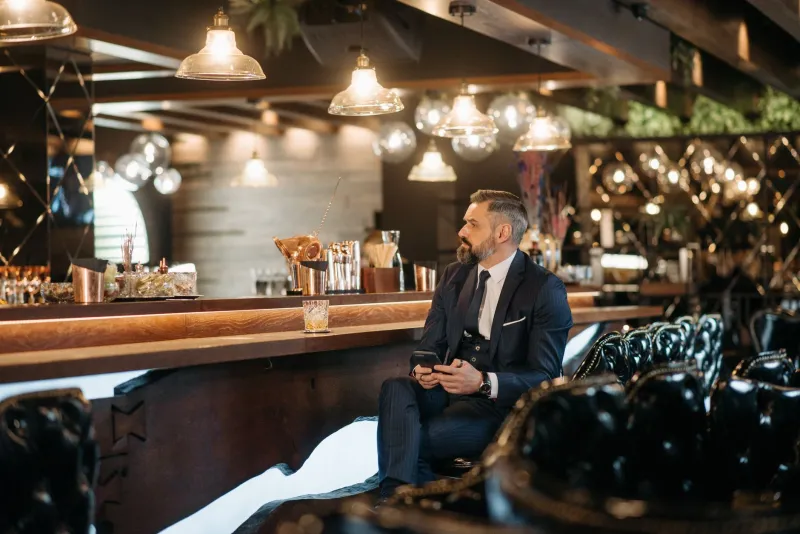
Arriving alone at an adult lounge is not a test of bravado. It is a small exercise in planning, manners, and self-possession. The solo guest who looks settled is rarely the one who knows the room best; more often, he or she is the one who prepared before the door, treated staff as hosts rather than gatekeepers, and understood that discretion is a form of courtesy rather than a cloak for uncertainty. In 2026, as US nightlife venues continue to refine their hospitality standards, the unaccompanied guest can move through an adult lounge with confidence by following a simple arrival plan.
Before the Door: A Short Pre-Arrival Plan
The best solo visits begin fifteen minutes before arrival. Confirm the venue’s current hours, dress code, age requirements, and cover policy through a reliable directory listing or the venue’s own published information. In the United States, many adult lounges operate under local rules that vary by city and state, and a quick check prevents an awkward conversation at the threshold. Decide in advance how long you intend to stay. A clear time limit—one hour, ninety minutes, or a single drink before a scheduled dinner—gives the evening a shape and removes the pressure to linger simply because you are alone.
Choose transportation with discretion in mind. A rideshare, taxi, or personal vehicle parked in a well-lit area is preferable to an uncertain walk through an unfamiliar district. Carry identification, a payment method, and little else that requires attention. If the evening includes a companion booking later, keep the two plans separate in your mind: the lounge is not a waiting room for anxiety, and the companion is not responsible for entertaining a guest who has not settled himself.
The First Two Minutes: Door, Greeting, and Staff
At the entrance, offer identification before it is requested and greet the door host directly. A simple statement works well: “Good evening. I’m here on my own. Could you tell me where a solo guest might sit comfortably?” That sentence does three things at once. It acknowledges the social situation without apology, gives staff a chance to guide you, and signals that you respect the room’s hierarchy. Avoid over-explaining. A lengthy account of why you are alone is not required, and it can make a routine arrival feel more complicated than it is.
If a cover charge applies, pay it without negotiating at the door. Ask whether there is a coat check, whether the bar takes cards, and whether any areas are reserved for private parties. These are ordinary hospitality questions, not admissions of inexperience. Staff members are accustomed to solo patrons, and a courteous question is usually received as a sign of good manners rather than vulnerability.
Choosing a Seat With Intent
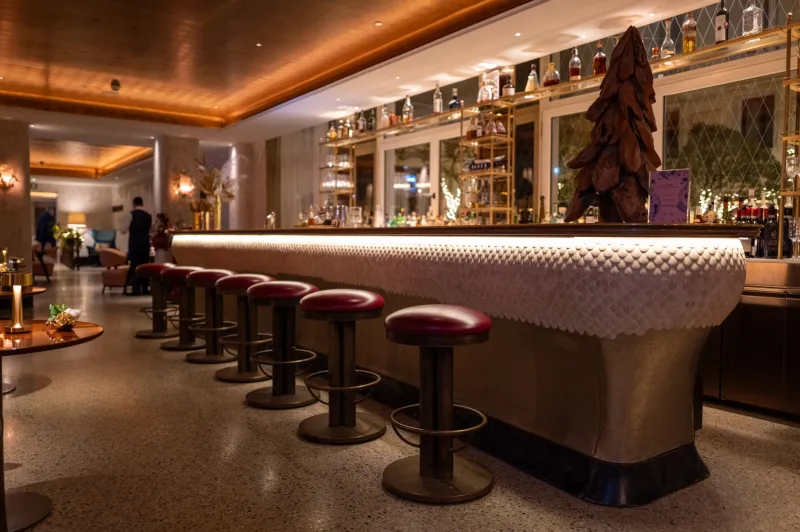
Seat selection is the quiet architecture of a solo visit. A seat at the bar, slightly offset from the main service well, often offers the best balance of visibility and privacy. It gives you access to the bartender, a natural place to look without staring, and an easy route to the exit. Booths can be comfortable, but a deep corner booth may signal isolation rather than composure. If the lounge has a floor host, ask for a recommendation: “Where do solo guests usually feel most comfortable?” The answer will tell you something about the venue’s hospitality as well as its layout.
Once seated, establish a small anchor. Place your phone face down, order a drink, and take in the room before making decisions. The goal is not to scan for opportunities but to understand the rhythm of service, conversation, and movement. A guest who looks settled is easier for staff to assist and easier for others to read accurately.
The Language of a Time Limit
A time limit is not rude; it is clarifying. When you order, you might say, “I’ll be here for about an hour this evening.” That gives the server a useful signal for pacing and tab management. If you are waiting for a companion or a friend, say so plainly if it affects your seating or service. If you are not waiting for anyone, there is no need to invent an appointment. A neutral phrase such as “I’m keeping the evening simple” is sufficient.
Set a private checkpoint at the halfway mark. Ask yourself whether you are comfortable, whether the atmosphere suits you, and whether you are staying for a reason or merely because leaving feels awkward. Leaving when you have had enough is not a failure of confidence. It is the practical expression of a plan.
Boundaries Without a Speech
Consent-first etiquette does not require a lecture. It requires clarity. If someone approaches and you are not interested, a calm “No, thank you” with brief eye contact is usually enough. If you want to disengage without creating a scene, turn slightly toward the bar, ask the bartender for a glass of water, or excuse yourself to check your phone. These are ordinary social moves, not confrontations.
Do not assume that a solo guest is automatically available for conversation, and do not treat staff attention as romantic interest. In adult lounges, as in any hospitality setting, professionals are doing their jobs. If you are unsure whether a conversation is welcome, ask a direct but low-pressure question: “Would you prefer to be left to your evening?” The answer should be respected immediately. The same standard applies in reverse: your own boundaries deserve the same courtesy, and you are not obliged to explain them in detail.
When to Ask for Help
If another patron’s attention becomes persistent, if a conversation turns uncomfortable, or if you feel unwell, go to staff directly. A brief sentence is enough: “I would appreciate a different seat,” or “Could you help me close out discreetly?” Good venues train staff to manage these moments without drama. A directory that profiles hospitality standards is useful precisely because it helps patrons choose venues where such support is part of the culture.
The Graceful Exit
The final impression matters as much as the first. Close your tab before you feel rushed, leave a fair tip, and thank the server or host by role rather than by personal familiarity. If you asked for a particular seat or received help with a discreet departure, a simple “Thank you for looking after me” is appropriate. Avoid a long goodbye at the door, and do not linger in the parking area or entrance simply because you are unsure what to do next. A solo guest who leaves cleanly confirms that the visit was deliberate and well managed.
A Solo Visit Is Still a Social Contract
Arriving alone does not mean entering without obligations. The unaccompanied guest owes the room the same courtesy as anyone else: patience with service, respect for boundaries, discretion about other patrons, and honesty with staff. In return, a well-run adult lounge offers a measured form of hospitality—attentive without intrusive, discreet without mysterious. For the solo patron in 2026, confidence is not a performance. It is the visible result of preparation, good manners, and the willingness to leave when the evening has served its purpose.