When the Cart Comes Down the Hall: A 2026 Etiquette Guide to Housekeeping and Discreet Hotel Visits
Hotel housekeeping is one of the few hospitality systems that touches every guest room on a predictable schedule. For discreet engagements, that predictability can feel like an intrusion—but it is also an opportunity. The guest who understands the housekeeping window can protect privacy, avoid unnecessary friction for staff, and leave the room in a state that raises no eyebrows. This guide is about etiquette, not evasion: how to coordinate with housekeeping in US hotels while keeping a low profile.
The Sign Is a Start, Not a Strategy
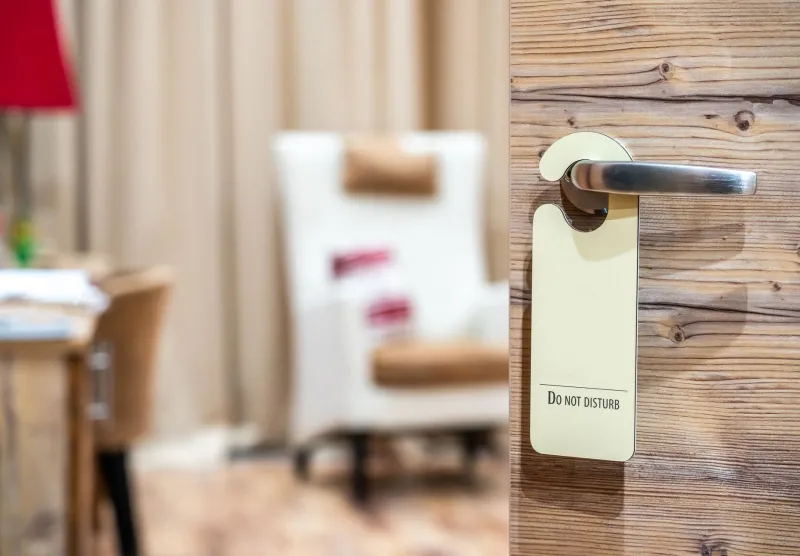
A Do Not Disturb sign is the first tool most guests reach for, and it is a useful one. In most US properties, a hanging sign or an electronic privacy indicator tells housekeeping to skip the room. But it is not an absolute shield. Many hotels have safety-check policies that require staff to enter rooms after 24 or 48 hours, and some housekeeping teams will knock despite a sign if they believe a guest has checked out or if there is a maintenance issue. Treat the sign as a baseline, not a complete plan. If you need a longer window, call the front desk and ask them to note your preference. A simple request—'I would prefer no housekeeping today; I will call if I need anything'—is usually enough.
Understanding the Housekeeping Rhythm
In most US hotels, housekeeping begins around 9 a.m. and runs until mid-afternoon. Upscale properties may add a turndown service between 5 and 8 p.m. Checkout is typically 11 a.m. or noon, with late checkout available on request. These rhythms matter when you are planning a discreet stay. An afternoon engagement may overlap with the cleaning window, and an evening visit may coincide with turndown. The goal is not to fight the schedule but to shift it slightly. When you book, ask about housekeeping hours. When you check in, confirm whether turndown is automatic. A few questions at the front desk can prevent an awkward knock later.
The Room-State Checklist
How you leave a room speaks volumes to housekeeping staff. You do not need to make the bed or scrub the sink, but a few courteous habits reduce friction and protect privacy.
- Trash: Place refuse in lined bins. If you have items you would rather not leave for staff, remove them yourself. Do not overflow the bin or leave loose trash on surfaces.
- Towels: Stack used towels in the bathroom, not on furniture or the carpet. Wet towels on upholstery create unnecessary work.
- Room-service trays: Call for pickup or follow the hotel's instructions for placing trays in the hallway. Do not leave trays outside the door for hours.
- Bed linens: Do not strip the bed. Leave linens as they are; housekeeping will handle them.
- Personal items: Secure valuables and sensitive documents. A tidy room is easier to service and less likely to invite questions.
- Minibar and amenities: Note what you have used. If you move items, put them back or mention it at checkout.
Scripts for Changing the Window
Direct, polite language works best with hospitality staff. You do not need to explain why you want a later cleaning window; a simple request is enough.
- To the front desk: 'I am working in my room until 3 p.m. Would it be possible for housekeeping to come after 3:30?'
- To decline service: 'I do not need housekeeping today. Could you note that? I will call if I need fresh towels.'
- For turndown: 'Please skip turndown this evening. I will not need it.'
- If someone knocks unexpectedly: 'Thank you, but I do not need service right now. I will call the front desk if I need anything.' Keep the door closed or use the chain. Calm and courtesy go further than silence.
Turndown and the Evening Knock
Turndown service is common in upscale and boutique hotels, and it usually involves a light refresh: fresh towels, bed preparation, perhaps a small amenity. If you do not want it, call the front desk earlier in the day and ask them to skip your room. If staff knock anyway, a brief decline is sufficient. Do not ignore the knock and hope they go away; a clear response is more respectful of their time. If you are in the middle of an engagement, a closed door and a calm 'No service, thank you' is enough. Staff are trained to accept refusals.
Checkout and Departure Courtesy
Checkout is the final impression you leave on a hotel, and it matters. Leave the room in a reasonable state: trash in bins, towels in the bathroom, personal items packed. If you have used room service, confirm the tray has been collected. If you have caused any damage or spill, report it to the front desk rather than leaving it for housekeeping to discover. Gratuity for housekeeping is customary in the US—typically a few dollars per night, left in an envelope or with a note. If you have had a late checkout, confirm the time with the front desk so housekeeping is not sent to your room prematurely.
When Privacy and Policy Meet
Every hotel has safety policies, and some require staff to enter rooms at intervals regardless of signage. This is not a personal intrusion; it is a standard practice. If you need a longer uninterrupted window, ask about it at check-in. Some properties offer electronic privacy settings that are respected for longer periods, while others have firm limits. Knowing the policy in advance prevents surprises. Above all, treat housekeeping staff with the same courtesy you would expect from them. A calm request, a tidy room, and a clear checkout are the most effective privacy tools available.
The housekeeping cart coming down the hall is not an adversary. It is part of the shared rhythm of a hotel, and a guest who understands that rhythm can move through a discreet stay with confidence and consideration.