Bright Hours, Quiet Manners: A 2026 Framework for Afternoon Engagements
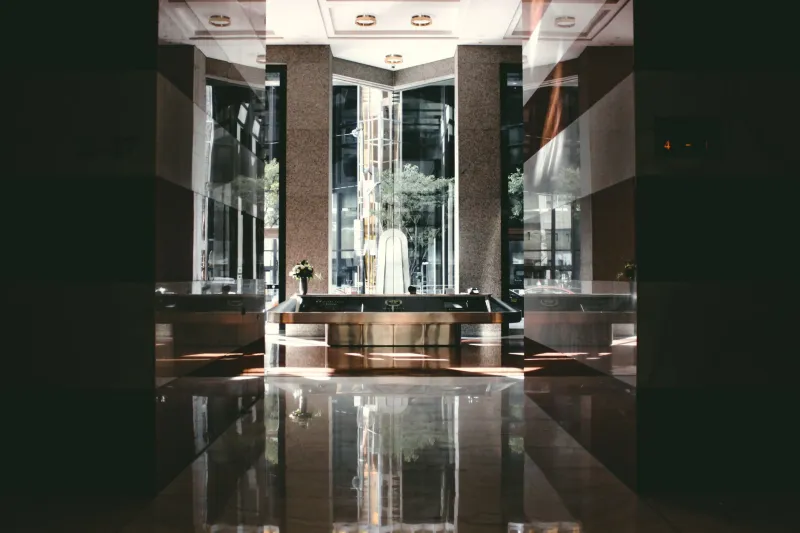
Daytime discretion is not merely evening discretion conducted under a brighter sky. The hours between midday and late afternoon impose their own rhythm: lobbies are populated by business travelers, sidewalks carry lunchtime foot traffic, and hotel corridors hum with housekeeping carts and meeting attendees. For consenting adults planning an afternoon engagement in a US city in 2026, the practical question is not whether daylight makes privacy impossible. It is how to move through a well-lit, busy environment with composure, courtesy, and a clear sense of timing.
The Character of the Afternoon
An afternoon meeting benefits from a natural boundary. Unlike an evening that can extend without a defined end, daylight engagements often sit between professional obligations, travel schedules, or family commitments. That boundary should be treated as an asset rather than an inconvenience. A stated window — say, two o’clock to four o’clock — gives both parties a shared understanding of pace. It also reduces the small uncertainties that can make a daytime encounter feel improvised.
The tone of the afternoon tends to be lighter and more conversational. Venues are less crowded than at night, service is often more attentive, and conversation does not have to compete with dim lighting or loud music. The etiquette, however, remains unchanged: punctuality, clear communication, and respect for the other person’s time and privacy.
Booking With Daylight in Mind
Day-use hotel rooms have become a familiar option in many US cities, particularly near business districts and airports. When selecting one, favor properties that separate the lobby from the elevator bank and that have a straightforward check-in process. A hotel with a busy café or a well-trafficked business center can actually be helpful: activity provides cover, provided one does not linger conspicuously.
Ask about check-in and check-out times before confirming. A room available at eleven in the morning and required back by four in the afternoon creates a natural container for the engagement. Confirm whether the reservation can be handled with minimal front-desk discussion, and avoid properties where the only entrance requires passing through a crowded restaurant or bar.
Parking deserves equal attention. Lunch-hour garages fill quickly, and street parking near commercial districts can invite unnecessary circling. A garage with a straightforward pedestrian exit and a recorded entry time is preferable to a curb space that requires frequent attention. Keep the parking receipt or digital confirmation accessible; it is a mundane detail that prevents a relaxed departure from becoming a scramble.
Arrival in Brighter Spaces
Daylight reveals more, but it also normalizes more. A person crossing a sunlit lobby in business casual attire attracts less notice than the same person moving through a dim bar at midnight. The objective is not invisibility but ordinariness. Walk at a normal pace, keep phone conversations brief, and avoid the kind of lingering that suggests uncertainty about the destination.
If the property has a café or public seating area, use it deliberately rather than as a hiding place. A short wait in an open, well-populated space is perfectly ordinary. What draws attention is repeated checking of messages, pacing near the elevators, or questioning staff in a manner that suggests the visit is unusual.
For arrivals by rideshare, choose a drop-off point that is slightly removed from the main entrance if the street is busy. This is not cloak-and-dagger behavior; it is simply good urban manners. A block’s walk in daylight is pleasant and unremarkable.
The Engagement Itself
Afternoon engagements tend to work best when they are not over-scheduled. A leisurely lunch, a quiet conversation, or a shared hour in a well-appointed room can carry the encounter without the pressure of a packed itinerary. Resist the urge to fill every minute. Daylight already provides structure; the participants do not need to manufacture more.
Attire should suit the hour. Clothing that reads as appropriate for a business lunch or a daytime errand will generally serve better than evening wear. This is a matter of context, not deception. The aim is to move through the day without appearing out of place.
Refreshments, if arranged, should be simple and considerate. Confirm dietary preferences in advance, and avoid elaborate setups that require staff to enter the room at unpredictable intervals. A quiet, self-contained arrangement allows the engagement to proceed without interruption.
The Courteous Early Exit
The early exit is where daytime etiquette is most often tested. Because the afternoon has a visible end, departures can feel abrupt if they are not handled with care. The guiding principle is simple: leave when you said you would, and say goodbye as though the time mattered.
Begin the wind-down ten or fifteen minutes before the agreed end. This allows for a relaxed close rather than a sudden gathering of belongings. Settle any gratuity or payment according to the arrangement made in advance, and avoid introducing new logistics at the door.
When leaving a hotel, use the same ordinary pace as arrival. If the lobby is crowded, let the crowd work in your favor: move with it rather than against it. A brief pause to check a phone near the entrance is unremarkable; a hurried exit through a service corridor is not.
If the engagement included a meal or a shared activity, a short message later in the day is a graceful courtesy. It need not be elaborate. A simple acknowledgment that the time was appreciated closes the encounter on a professional note and leaves the next interaction on stable ground.
Timing, Buffers, and the Rest of the Day
One of the quiet advantages of an afternoon engagement is that it can end before the evening rush. Build a buffer between the departure and the next obligation. A thirty-minute margin absorbs traffic, parking, and the small delays that daylight schedules tend to produce. It also prevents the encounter from feeling like an obstacle course bounded by deadlines.
For visitors to a US city, the afternoon can be paired with ordinary business or cultural activity. A museum visit, a client meeting, or a late lunch elsewhere in the district gives the day a natural shape. Discretion is often best served not by isolation but by a plausible, well-paced itinerary.
Conclusion
Daylight does not diminish discretion; it changes its grammar. The afternoon asks for ordinary movement, sensible timing, and a departure that respects both parties’ schedules. In 2026, as day-use rooms and flexible hotel policies become more common in American cities, the essential courtesies remain unchanged. Plan the window, arrive without ceremony, enjoy the engagement at an unhurried pace, and leave with the same quiet consideration with which you arrived. That is the whole art of the bright hours.