The Considered Silhouette: Wardrobe Discretion for Hotel and Lounge Arrivals in 2026

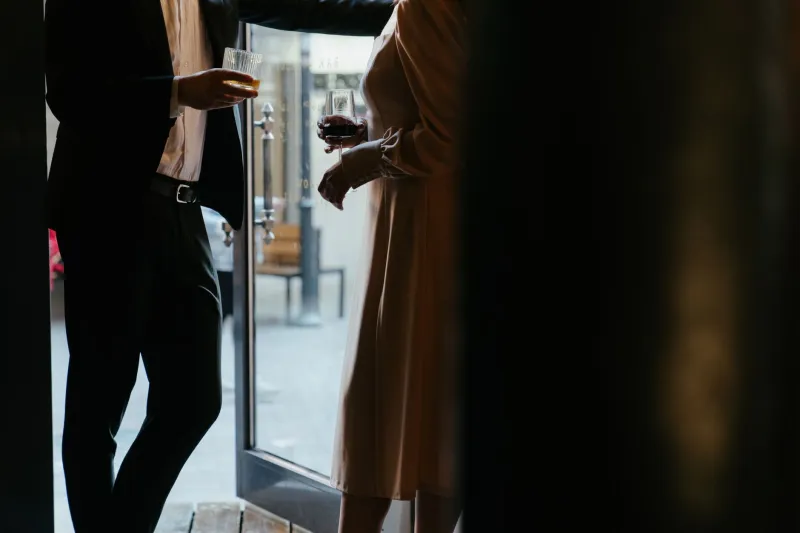
Photo by Photo by Josh Hild on Unsplash on Unsplash
Discretion in adult nightlife is usually discussed in terms of timing, telephone manners, and venue selection. Wardrobe receives less attention, yet clothing is the first signal a guest sends before a word is exchanged. For clients navigating hotel lobbies, lounges, and upscale venues in US cities in 2026, the goal is not invisibility. It is a considered silhouette: an outfit that belongs in the room, flatters the wearer, and leaves little for a stranger to remember. The following framework treats dress as part of etiquette rather than performance.
Start With the Venue, Not the Mirror
Begin with the address. A boutique hotel near a financial district, a lounge with a velvet rope, and a residential apartment building each have different visual grammar. In Washington, D.C., a blazer may be the neutral choice; in Miami, an unstructured overshirt and pressed trousers can read as equally appropriate. The point is to match the room's average, not its most conspicuous guest. Review the venue's published dress code, recent photographs, and neighborhood context. If the guidance is vague, choose the more restrained version. A guest who looks as though he or she has a reason to be there requires no explanation.
Fabrics That Behave in Real Weather
Discretion is easier when clothing cooperates with climate. In summer, choose breathable wools, cotton poplin, and linen blends that resist obvious creasing. Pure linen can be elegant, but it can also broadcast a relaxed vacation mood in a business-adjacent lobby. In winter, lightweight merino and cashmere layers provide warmth without bulk, while a covert coat or unlined trench avoids the puffed silhouette of extreme outerwear. For rainy cities such as Seattle or New York, a compact umbrella and a water-resistant shoe matter more than a showpiece garment. Seasonal fabrics should look intentional when removed: a sweater draped over an arm is graceful; a damp parka carried through a marble lobby is not.
The Architecture of Layers
Layering is the most practical tool for arrivals and departures because it allows adjustment without a full change. A fine-gauge knit under a soft jacket, a scarf that folds into a bag, or a sleeveless shell beneath an overshirt all create options. Layers also help with temperature shifts between street, lobby, elevator, and room. Avoid layers that require constant adjustment or that create noise, such as stiff nylon, excessive hardware, or bracelets that announce every gesture. The best layered outfit can be reduced by one piece in a warm lounge and restored in a cool corridor without drawing attention.
Bags, Pockets, and the Overnight Question
A bag is often the most telltale element of a discreet visit. Large shopping bags, dangling charms, and conspicuous logos invite second glances. A structured weekender, a slim leather holdall, or a plain tote in a dark neutral serves better. For a shorter engagement, a small crossbody or a jacket with secure interior pockets may be sufficient. The overnight question deserves advance thought: if an overnight is possible, pack a compact kit that fits the bag rather than arriving with a suitcase that implies a longer stay. Leave unnecessary items in the vehicle or at home. A guest who carries less moves more easily through a lobby and has less to manage at departure.
Footwear and the Sound of Arrival
Footwear shapes both posture and acoustics. Hard soles on marble or tile can turn a quiet arrival into an announcement. Rubber-soled leather shoes, broken-in loafers, and low heels with a stable base are safer choices in hotels and apartment buildings. New shoes should be tested on a long walk before the evening; discomfort produces a hurried gait that draws attention. Weatherproofing is equally practical. In snow or rain, choose footwear that can be wiped clean and carry a small cloth if needed. The goal is a steady, unhurried step rather than a silent one.
Dress Codes Without Guesswork
When a venue publishes a dress code, read it literally. Business casual rarely means athletic wear; smart casual usually rewards collared shirts, clean dark denim, and polished shoes. Upscale lounges may require jackets for men and prohibit athletic footwear. If a companion has supplied guidance, follow it without debate. If the guidance is absent, ask one concise question rather than arriving over- or underdressed. A jacket that can be removed, a scarf that can be stored, and shoes that suit both car and lobby provide margin for error. Dress codes are not a test of wealth; they are a social contract.
Changing Spaces and the Return Trip
Not every engagement allows a hotel room as a changing space. Some guests arrive from an office, a gym, or a dinner. A garment bag in the trunk, a compact grooming kit, and a plan for restroom use can make the transition smoother. Hotel restrooms are generally suitable for a quick refresh, but they are not private dressing rooms; keep changes minimal and leave the space tidy. For departures, reverse the arrival logic. Check the room for personal items, restore layers, and avoid carrying visible evidence of the visit. A calm exit is often simply a well-packed bag and a jacket that goes back on without fuss.
Signals to Retire
Certain wardrobe choices create unnecessary narrative. Matching luggage sets, excessive fragrance, visible lingerie straps, hotel key cards left in hand, and clothing that is plainly too formal or too casual for the hour all invite speculation. Loud logos, novelty prints, and shoes that click sharply on hard floors fall into the same category. None of these choices is immoral; they are simply inefficient for discretion. Replace them with quiet textures, secure closures, and a palette that works with the venue. A dark navy, charcoal, olive, camel, or deep burgundy will serve in most American cities and most seasons.
Personal Style Without Announcement
Discretion should not require erasing personal style. A distinctive watch, a well-cut coat, or a favorite scarf can remain if it does not demand attention. The test is simple: in a lobby mirror, would a stranger remember the garment or the person wearing it? The answer should favor the person. In 2026, the most polished wardrobe for discreet arrivals and departures is one that looks at home in the room, travels well through weather and elevators, and allows the guest to focus on courtesy rather than clothing. That is not a uniform. It is a quiet strategy, and it serves both comfort and protocol.