Keys in Neutral: A 2026 Arrival and Departure Protocol for Valet Stands, Garages, and Curbside Pickups

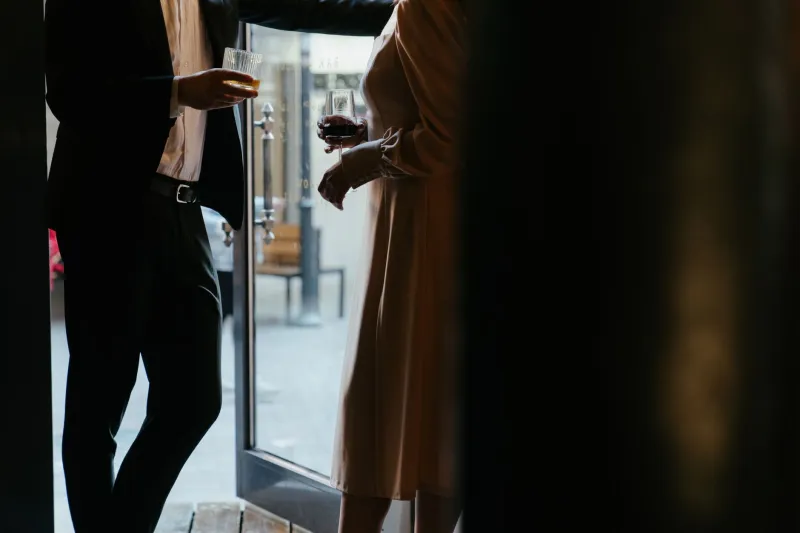
Photo by Photo by James Lo on Unsplash on Unsplash
In most American hotel and lounge districts, the least private moment of a discreet engagement is not the conversation at the table or the walk to the elevator. It is the handoff: the valet ticket, the garage gate, the rideshare pin, the curbside pause. These are ordinary urban transactions, but they carry information. A car idling too long, a ticket waved with a room key, a driver asked to wait at an address that does not match the story being told—each small detail can create context that no one intended to produce.
The professional standard is not theatrical evasion. It is reduction of unnecessary exposure through planning, brevity, and courtesy. Valet attendants, garage staff, rideshare drivers, and doormen are working people completing a task. They are not part of the private arrangement, and they should not be recruited into it, tested by it, or asked to remember it. The goal is simple: let the arrival layer function as logistics, not as narrative.
The Arrival Layer Is Part of the Evening
Discreet engagements are usually planned around the interior of an evening—the lounge, the room, the conversation, the departure. The exterior deserves the same attention. In US cities where hotel driveways double as social crossroads, the valet stand can be more exposed than the lobby. Parking garages attached to hotels or entertainment districts often have cameras, attendants, and late-night foot traffic. Rideshare drop-offs place a vehicle and a passenger in plain view for the length of a goodnight.
A useful 2026 standard is to treat arrival as a three-part sequence: approach, handoff, and exit. Each part should have a default behavior that requires no explanation. Defaults are quieter than improvisation. They also protect the other party from being surprised by a plan that was never discussed.
Valet Stands: Give the Car, Not the Context
The valet stand is a place of exchange, not conversation. The driver gives a vehicle and receives a ticket; the attendant gives a ticket and receives a vehicle later. Keep the exchange within that boundary.
Hand over only the key or fob the vehicle requires. Remove garage-access cards, spare keys, printed confirmations, and visible paperwork before arriving. If the ticket is issued, place it in a wallet or pocket rather than holding it in the hand alongside a phone, room key, or printed address. At busy hotel driveways, a brief "Thank you" is sufficient. There is no need to announce a destination, explain the evening, or offer a cover story. A cover story invites follow-up questions; a plain transaction does not.
Timing matters. Peak valet periods—typically around dinner service and again near closing—produce crowding, waiting, and more eyes on the driveway. Arriving ten or fifteen minutes earlier than necessary can reduce the audience. If the vehicle must be retrieved at a specific time, use the hotel's text or app-based retrieval if available, and keep the request free of personal detail.
Tipping is customary in many US valet settings, but it should be handled without ceremony. A folded bill at retrieval is usually enough. Do not ask the attendant to remember the car, the floor, or the guest. That request creates a relationship where none is needed.
Parking Decks: Stage the Vehicle Before You Stage Yourself
Self-parking offers more control than valet, provided the vehicle is staged before arrival. Clear the cabin of anything that identifies a destination, a booking, or a companion. Visor clips, printed directions, and delivery bags can be read at a glance. If a parking app is used, complete the transaction before entering the deck so the phone is not the focus at the gate.
Choose a level and space that are well lit but not directly beside the elevator lobby or stairwell. Those areas are convenient, but they are also where attendants, cameras, and other guests concentrate. A short walk is often the better trade. Note the section marker or take a photograph of it, but keep the phone in hand only for that purpose.
When leaving the vehicle, lock it once and move with purpose. Lingering in a garage—checking a mirror, rereading a message, adjusting clothing—draws more attention than a calm walk toward the exit. If the garage connects to the hotel or lounge, use the interior route when available. It is usually quieter than the street-level sidewalk at the same hour.
Rideshare and Curbside: The Drop-Off Is a Scene, Not a Signal
Rideshare etiquette for discreet arrivals begins with the pin. Set a pickup or drop-off point that is accurate, well lit, and not directly in front of the venue's main entrance if a nearby corner will serve. This is not deception; it is ordinary urban practice. Drivers prefer clear, safe stops, and passengers benefit from a shorter exposure window.
Confirm the vehicle by plate and make before opening the door. Keep greetings brief and avoid discussing the evening's details in the car. If a driver is conversational, a neutral reply is enough. There is no obligation to explain the destination, the relationship, or the plan for the night. At drop-off, exit with the items already in hand, close the door, and move toward the entrance without a long curbside goodbye. A prolonged farewell in a loading zone is more noticeable than a quick, courteous exit.
For departures, request the ride when the lobby or lounge is quiet rather than at the height of turnover. Wait inside until the vehicle is close, then step out. This keeps the curbside moment short and reduces the chance of standing alone under a canopy while a driver searches for the pin.
When an Attendant Notices More Than Expected
Attendants are trained to notice vehicles, keys, and timing; that is part of the job. If one makes a casual observation—about the car, the hour, or the weather—respond briefly and neutrally. Do not over-explain, and do not ask for discretion in a way that makes the encounter memorable. A simple "Long day" or "Thank you" closes the exchange.
If a staff member asks a direct question that feels intrusive, a calm non-answer is appropriate: "Just visiting" or "I'm all set, thanks." The objective is not to win a conversation but to end it politely. Never ask a valet, driver, or desk clerk to lie on your behalf. That request shifts a professional transaction into a private favor and creates exactly the kind of familiarity discreet planning is meant to avoid.
Departure: The Quiet Counterpart to Arrival
The departure layer deserves the same discipline as arrival. Retrieve the vehicle with the ticket ready, tip without fanfare, and check the cabin before pulling away. If a companion is leaving separately, arrange that before the evening begins rather than improvising at the curb. Staggered exits should look like ordinary timing, not like a staged maneuver.
At garages, pay at the machine or through the app before returning to the vehicle when possible. At valet stands, avoid lingering near the podium after the car arrives. Pull out smoothly, use the exit that draws the least attention, and keep the first few blocks free of phone checks or route adjustments. The evening ends when the vehicle is moving, not when the story is complete.
A Standard Worth Keeping
Discretion in 2026 is less about secrecy than about proportion. The valet does not need to know the evening's context; the garage does not need to hold it; the rideshare driver does not need to hear it. What each needs is a clear, courteous transaction that ends as easily as it began. For readers of Escort Lounge, that is the arrival standard: keys in neutral, tickets handled quietly, timing chosen with care, and no one asked to carry a story that was never theirs to keep.